Introduction
Chemical peels are popular treatments that help improve skin texture and tone. They use safe acids to remove the top layers of skin. As a result, new, smoother skin can appear. Many people wonder which chemical peel is best for their skin type. In this blog, you will learn about different chemical peels and how to choose the right one for your needs.
What Are Chemical Peels?
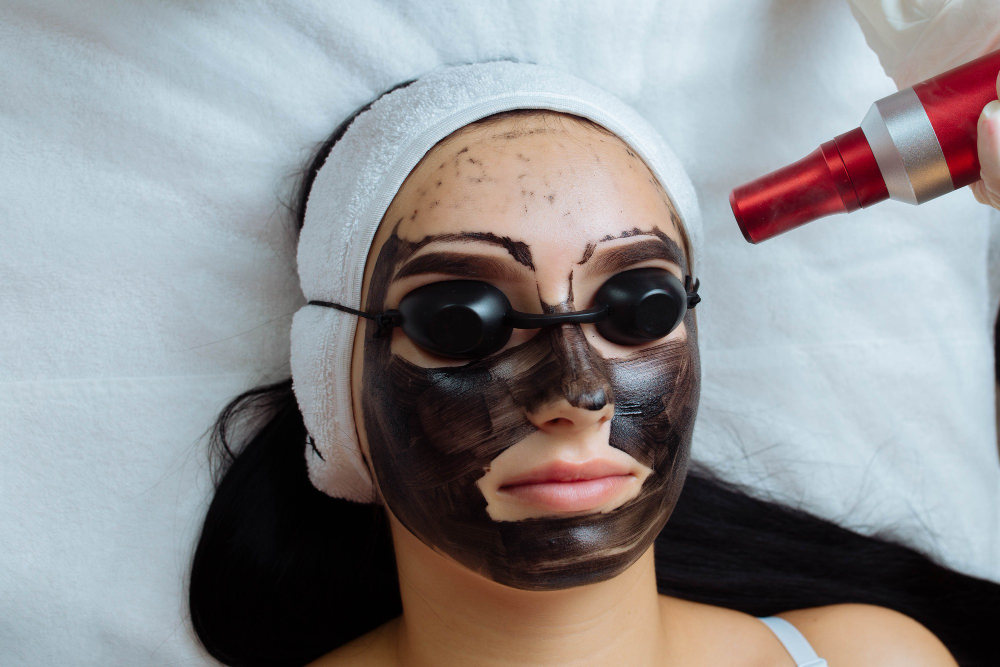
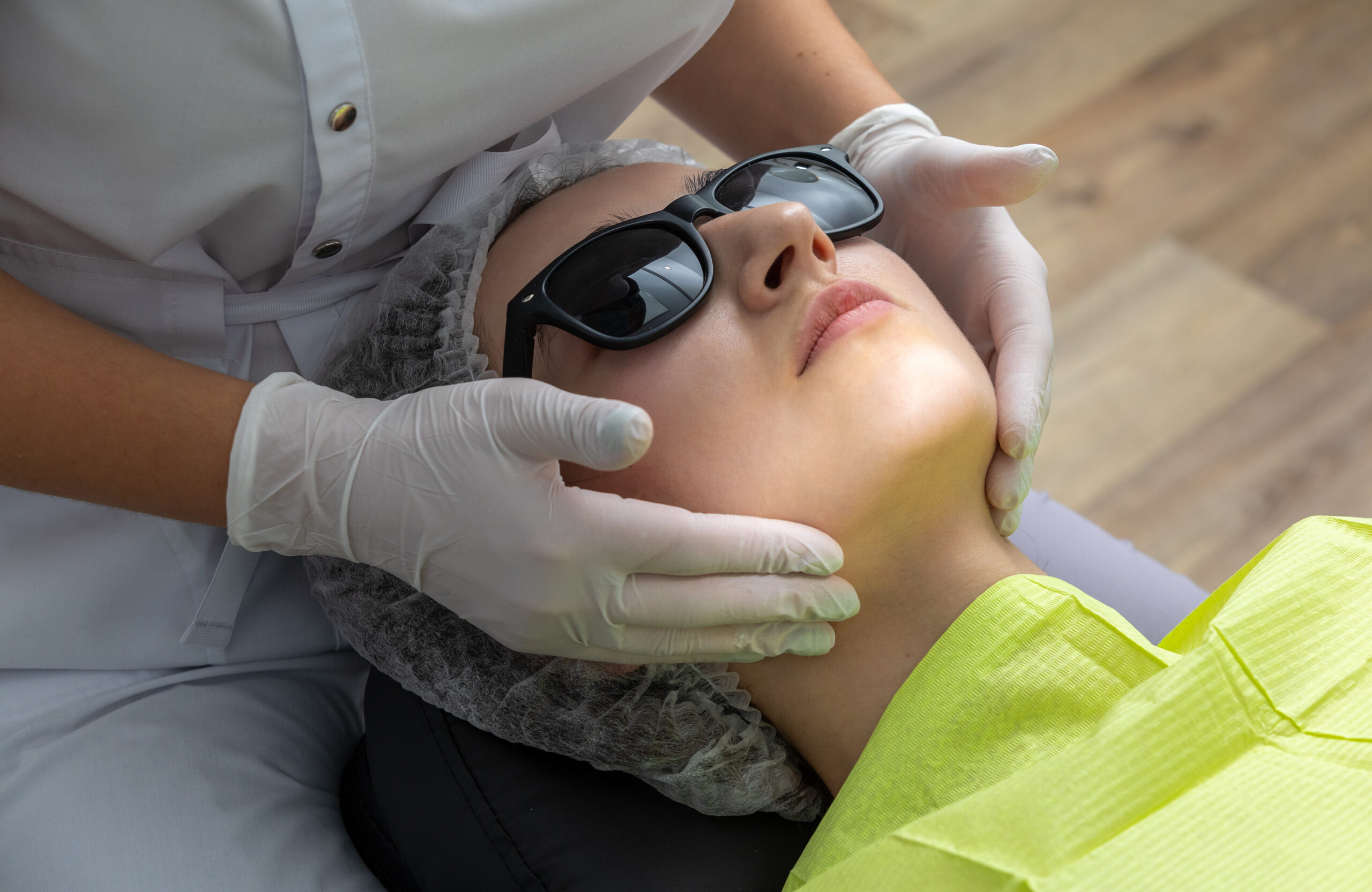
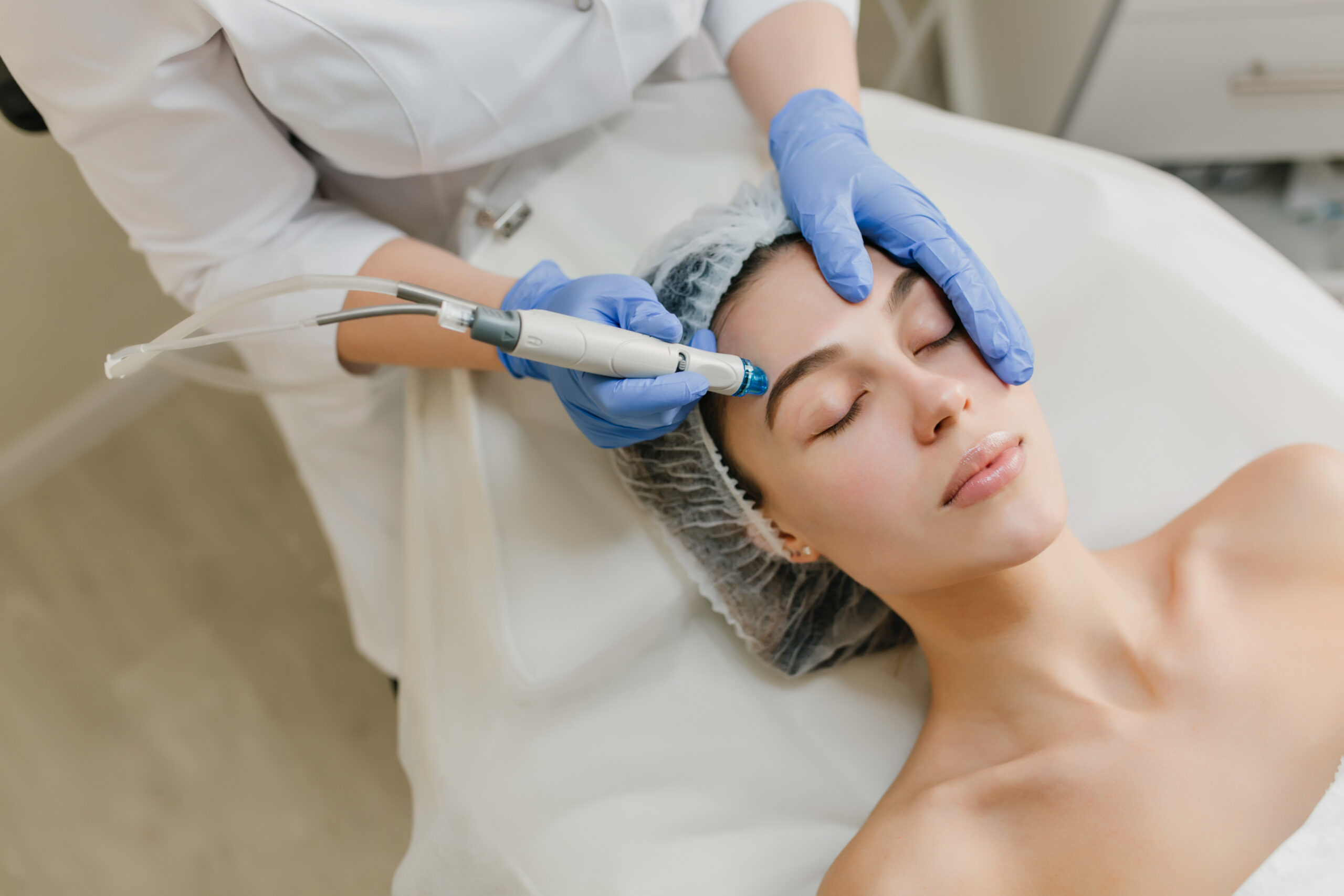
Chemical peels are skin treatments that use special solutions to remove dead skin cells. After the peel, your skin may look brighter and feel softer. For example, some peels can help with acne, while others target fine lines. According to the American Academy of Dermatology, chemical peels are safe when done by trained professionals. However, it is important to pick the right type for your skin.
Types of Chemical Peels
There are three main types of chemical peels. Each type works at a different depth in the skin. Let’s look at them:
Superficial Peels: These use mild acids like alpha hydroxy acid (AHA). They treat the outermost layer of skin. Superficial peels are gentle and often used for mild skin problems.
Medium Peels: These use stronger acids, such as trichloroacetic acid (TCA). They reach the middle layers of skin. Medium peels can help with wrinkles, acne scars, and uneven skin tone.
Deep Peels: These use strong acids like phenol. Deep peels go deeper into the skin. They are used for severe wrinkles or scars. However, recovery takes longer and risks are higher.
How to Match Chemical Peels to Your Skin Type
Choosing the best chemical peel for your skin type is important. Not every peel works for everyone. Here is a simple guide:
Oily Skin: Salicylic acid peels are often best. They help unclog pores and reduce oil. In addition, they can prevent breakouts.
Dry Skin: Glycolic acid peels add moisture and remove dry patches. These peels are gentle and help smooth rough skin.
Sensitive Skin: Lactic acid peels are mild. They cause less irritation. For sensitive skin, always start with a gentle peel.
Combination Skin: A blend of acids may work well. For example, some peels combine glycolic and lactic acids. This helps treat both oily and dry areas.
Acne-Prone Skin: Salicylic acid peels are the best peel for acne-prone skin. They target pimples and help prevent new ones.
Aging Skin: Medium or deep peels can reduce wrinkles and age spots. However, these peels need more recovery time. Always talk to a dermatologist first.
For those looking for chemical peels in your city, many clinics offer personalized options. However, always choose a board-certified dermatologist for safety.
Benefits and Risks of Chemical Peels
Chemical peels offer many benefits. For instance, they can:
Reduce fine lines and wrinkles
Even out skin tone
Fade dark spots
Clear up acne
Make skin look brighter
However, there are also risks. Some people may have redness, swelling, or peeling. In rare cases, chemical peel side effects include infection or scarring. Therefore, it is important to follow your doctor’s advice and avoid unsafe chemical peels at home.
How to Prepare for a Chemical Peel
Proper preparation helps you get the best results. Here are some tips:
Stop using retinol or strong creams a week before your peel
Avoid sun exposure for several days before treatment
Tell your doctor about any skin conditions or allergies
Follow all instructions from your dermatologist
Preparation can make your peel safer and more effective. As a result, you may heal faster and see better results.
Aftercare and Recovery Tips
After a chemical peel, your skin needs gentle care. Here are some aftercare tips:
Keep your skin clean and moisturized
Use sunscreen every day
Avoid picking or scratching your skin
Stay away from harsh products until your skin heals
Follow your doctor’s aftercare plan
With proper care, your skin can heal well. In addition, you can enjoy smoother, brighter skin.
Frequently Asked Questions (FAQs)
Are chemical peels safe for sensitive skin?
Yes, but choose mild peels like lactic acid. Always consult a dermatologist first.
Can I do chemical peels at home?
Some safe chemical peels at home are available. However, professional peels are safer and more effective.
How long does recovery take?
Superficial peels heal in a few days. Medium and deep peels may take weeks.
What are common chemical peel side effects?
Redness, peeling, and mild swelling are common. Rarely, infection or scarring can occur.
How often can I get a chemical peel?
Superficial peels can be done every few weeks. Medium or deep peels need more time between treatments.
For more information, visit the American Academy of Dermatology website or speak with a skin care expert.
Not sure which chemical peel suits your skin? The right choice makes all the difference.
Get expert skin assessment and treatment at Shirisha Skin Hair and Laser Clinic.
Book your consultation today for clearer, healthier, glowing skin.