What is Scalp Micropigmentation (SMP)?
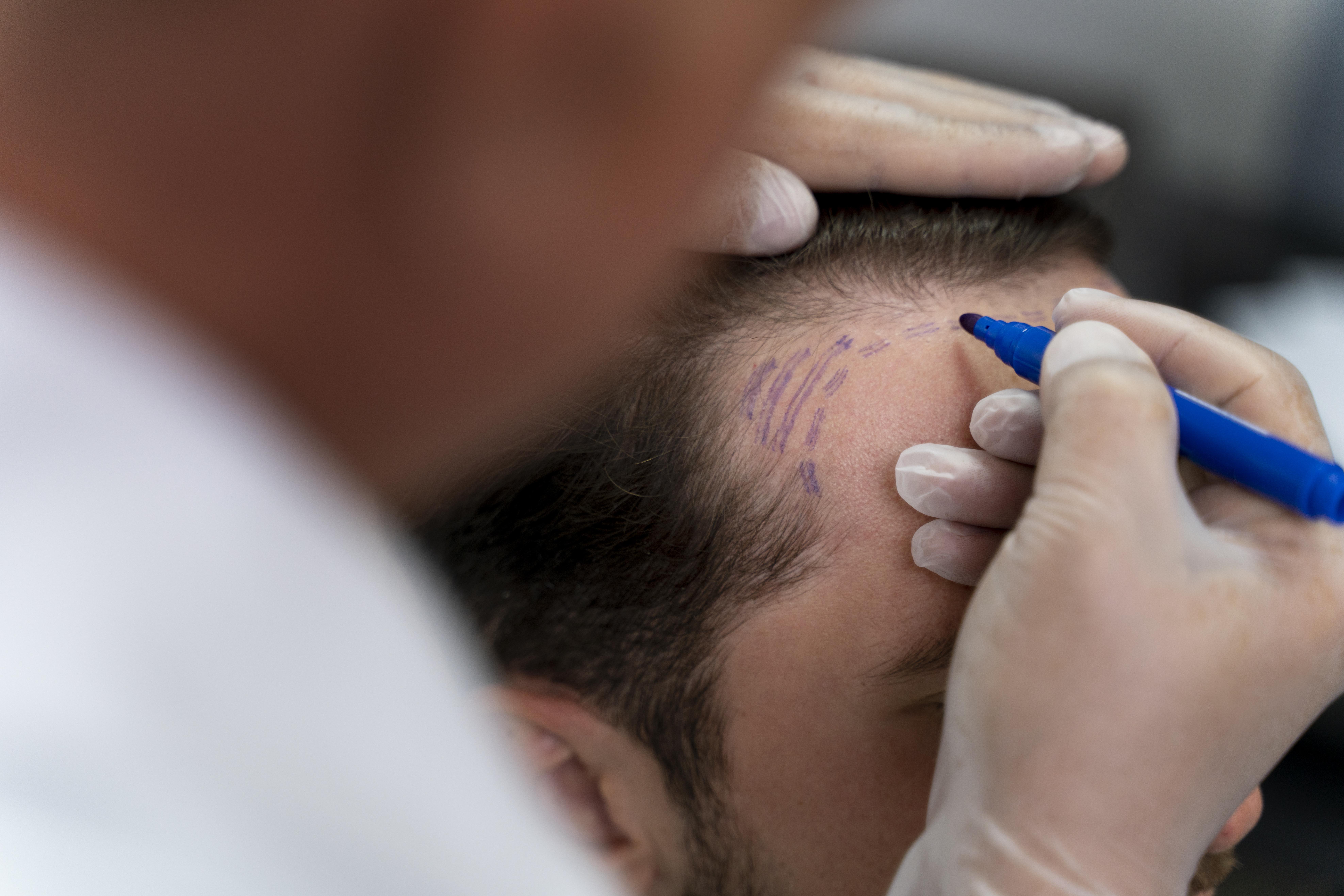
Scalp micropigmentation is a non-surgical hair loss solution. It uses tiny dots of pigment to create the look of hair on your scalp. Many people call it a “scalp tattoo for baldness.” However, it is not the same as a regular tattoo. SMP uses special tools and pigments designed for the scalp. As a result, the dots look like real hair follicles. This treatment is safe when done by a trained professional. According to dermatology experts, SMP can help people feel more confident about their appearance.
Who is a Candidate for SMP?
Many people can benefit from scalp micropigmentation. For example, you may be a good candidate if you:
On the other hand, SMP may not be right for everyone. People with certain skin conditions or allergies should talk to a doctor first. Still, most adults with hair loss can consider this option.
Benefits of SMP
Scalp micropigmentation offers several advantages. First, it is a non-surgical hair loss solution. That means there are no cuts or stitches. Second, results are visible right away. In addition, SMP works for all hair colors and skin types. Here are some key benefits:
Because SMP is long-lasting, many people choose it over other treatments.
The SMP Procedure: What to Expect
Before the procedure, you will have a consultation. During this visit, the specialist will discuss your goals and check your scalp. Next, they will choose the right pigment color for you. The SMP process usually takes two to four sessions. Each session lasts a few hours. During the treatment, the provider uses a small needle to place pigment dots on your scalp. While some people feel mild discomfort, most say it is not painful. After each session, you can return to normal activities quickly. However, you should follow aftercare instructions for best results.
Risks and Side Effects
Like any cosmetic procedure, scalp micropigmentation has some risks. Most side effects are mild and temporary. For example, you may notice:
Serious problems are rare. However, infection or allergic reaction can happen if the procedure is not done in a clean setting. Therefore, always choose a qualified provider. According to the CDC, using sterile equipment helps prevent infection.
Aftercare and Maintenance
Proper aftercare helps your scalp heal and keeps your results looking good. After each session, you should:
Over time, the pigment may fade. As a result, you might need touch-up sessions every few years. Still, most people find the upkeep easy compared to other hair loss treatments.
Frequently Asked Questions
Conclusion
Scalp micropigmentation is a safe, non-surgical hair loss solution for many people. It can help you feel more confident and improve your appearance. However, it is important to choose a skilled provider and follow aftercare steps. Consult a qualified dermatologist at Shirisha Skin Hair And Laser Clinic to find out if scalp micropigmentation is right for you.