What Are Acne Scars & Pitting?
Acne scars & pitting are common skin problems that can follow breakouts. Many people notice small dents or uneven spots on their skin after acne heals. These marks are called scars and pitting. Often, they make the skin look rough or bumpy. While some scars fade over time, others can last for years. Because of this, many people look for ways to treat acne pitting and scars. Understanding what causes these marks can help you find the best treatments for acne scars.
Common Symptoms
Acne scars & pitting can show up in different ways. For example, you may notice:
Sometimes, these scars can make the skin feel rough. In other cases, the skin may look uneven. However, not everyone with acne will get scars or pitting.
Causes of Acne Scars & Pitting
Acne scars & pitting often happen when the skin tries to heal after a breakout. But, several factors can increase the risk:
When acne damages the skin deeply, the body makes new tissue to heal. Sometimes, this process leaves behind scars or pits. Therefore, treating acne early can help prevent these marks.
Diagnosis
Doctors can diagnose acne scars & pitting by looking at your skin. Usually, a dermatologist will:
In most cases, no special tests are needed. However, seeing a dermatologist helps you get the right advice on how to treat acne pitting and scars.
Effective Treatment Options
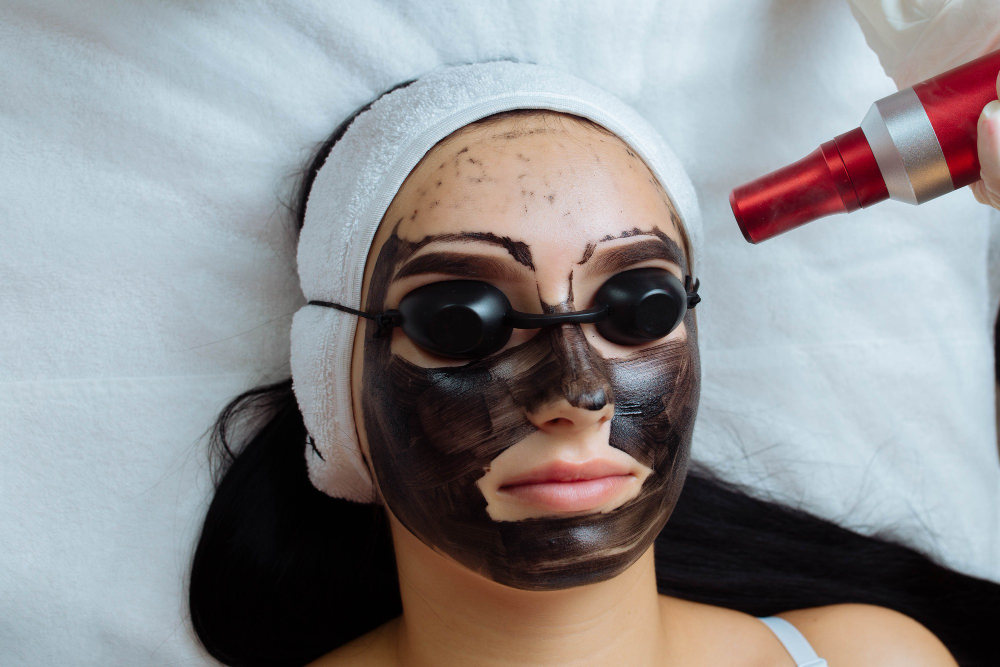
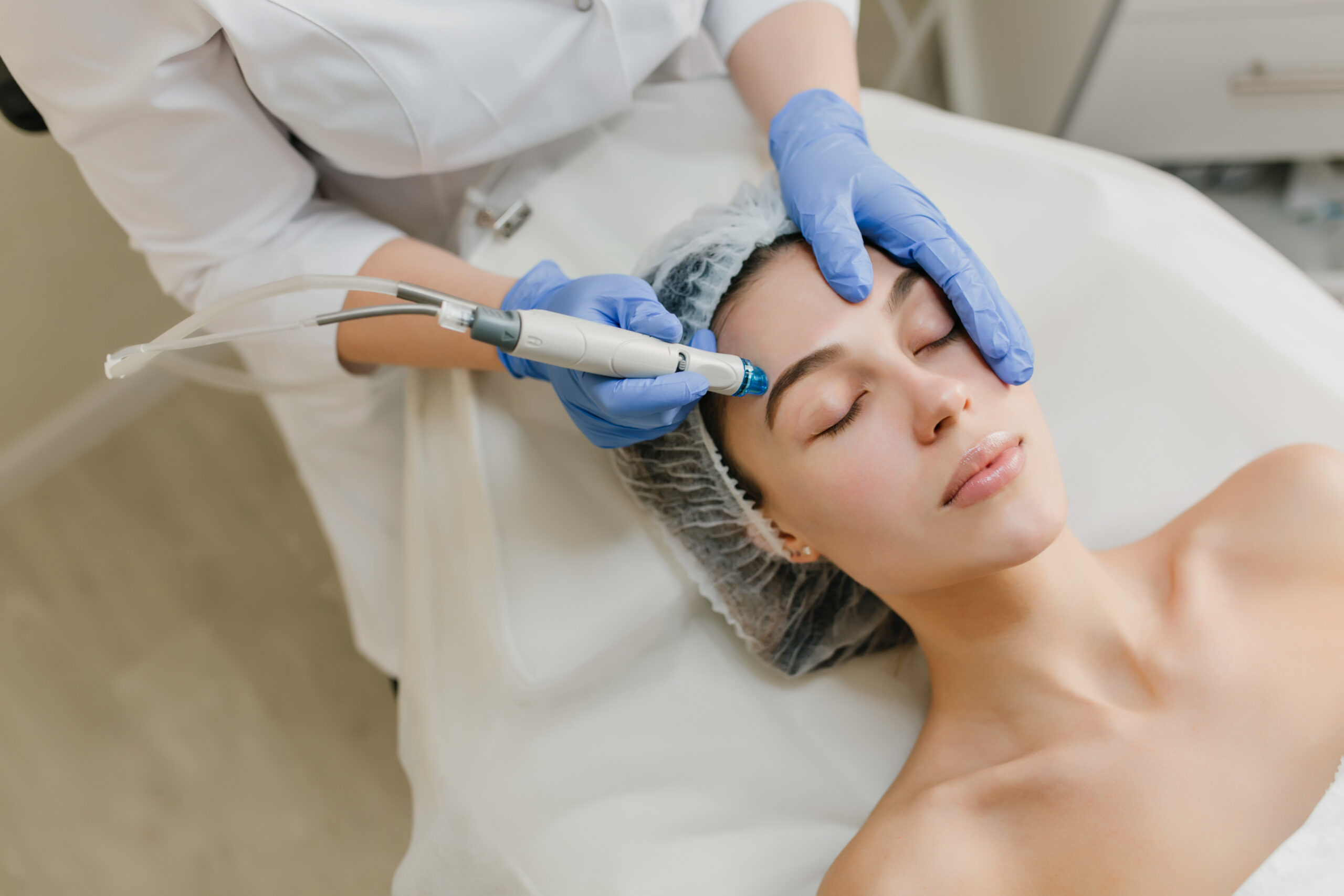
There are many ways to treat acne scars & pitting. The best treatments for acne scars depend on your skin type and the kind of scars you have. Some common options include:
For best results, always talk to a dermatologist. They can suggest the right treatment for your skin. According to the American Academy of Dermatology, combining treatments often works better than using just one.
Lifestyle Tips for Prevention and Care
While you cannot always prevent acne scars & pitting, some habits can help. For example:
Additionally, keeping your hands off your face can lower the risk of new scars. If you notice new marks, early care can make a big difference.
When to See a Dermatologist
Sometimes, home care is not enough for acne scars & pitting. You should see a dermatologist if:
Early help from a skin doctor can prevent scars from getting worse. Moreover, a dermatologist can guide you to the best treatments for acne scars and pitting.
For personalized advice on treating acne scars and pitting, visit Shirisha Skin Hair And Laser Clinic. A qualified dermatologist can assess your skin and recommend safe, effective treatments tailored to your needs—helping you achieve smoother, healthier-looking skin with the right clinical care.